Blake Müller · 9 October 2026
Cornwall Standing Stones Fuel Collaborative Fiction Projects Exploring Archaeological Roots and Migration Stories
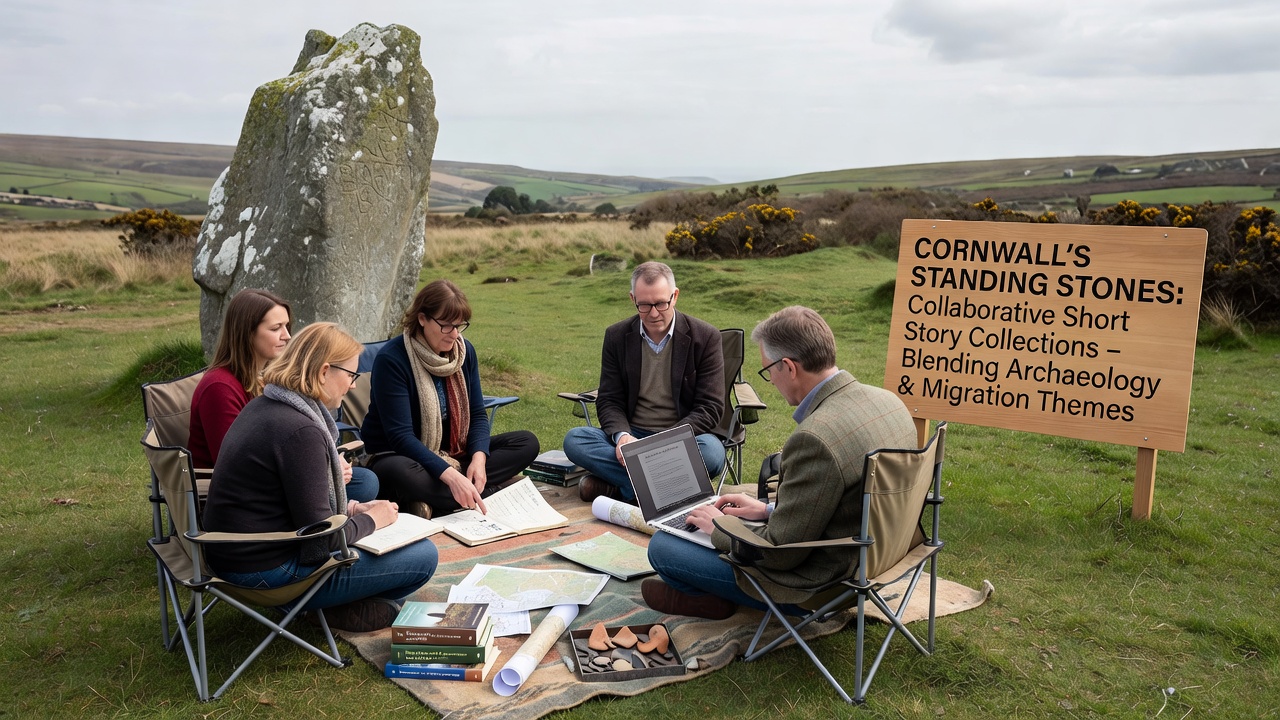
Standing stone sites across Cornwall such as Boscawen-Un and the Merry Maidens have drawn sustained attention from archaeologists and writers alike, and recent initiatives have channeled that interest into collaborative short story collections that fuse site-specific research with narratives of human movement through time. These projects pair field data from megalithic monuments with accounts of regional migration patterns that stretch from prehistoric settlements to later industrial shifts, and participants document how ancient landscapes continue to shape contemporary storytelling frameworks.
Archaeological Foundations at Key Sites
Researchers have mapped alignments and construction phases at multiple Cornish stone circles using geophysical surveys and radiocarbon dating, and findings indicate activity spanning the late Neolithic into the early Bronze Age. Data from these investigations reveal consistent use of local granite and quartz, while excavation reports highlight associated burial practices and tool assemblages that point to established trade routes extending toward Ireland and the European mainland. Observers note that such material evidence provides concrete anchors for fiction writers who incorporate verifiable details into their narratives rather than relying on generalized mythic tropes.
Literary Collaborations Take Shape
Teams of Cornish authors and heritage specialists began forming working groups in 2024 to develop themed anthologies, and each collection assigns writers to individual monuments where they review excavation logs and oral histories before drafting stories. The process incorporates feedback loops between archaeologists and storytellers, so that plot points align with documented environmental changes and population movements rather than speculative invention. One project scheduled for public launch in October 2026 will feature ten paired contributions, each linking a specific standing stone to migration episodes such as the movement of mining families in the nineteenth century or earlier seasonal herding patterns.
Migration Themes Woven Through Narratives
Stories in the emerging collections frequently trace characters whose journeys mirror the archaeological record of resource-driven relocation, and authors draw on census records and shipping manifests to ground their accounts in measurable demographic shifts. Evidence from parish registers shows repeated waves of outward migration during periods of economic contraction, while incoming influences appear in the form of imported pottery styles and linguistic borrowings preserved in place names. Writers integrate these strands so that fictional protagonists encounter standing stones as waypoints rather than static monuments, and the resulting narratives illustrate how physical sites encode layered histories of departure and return.
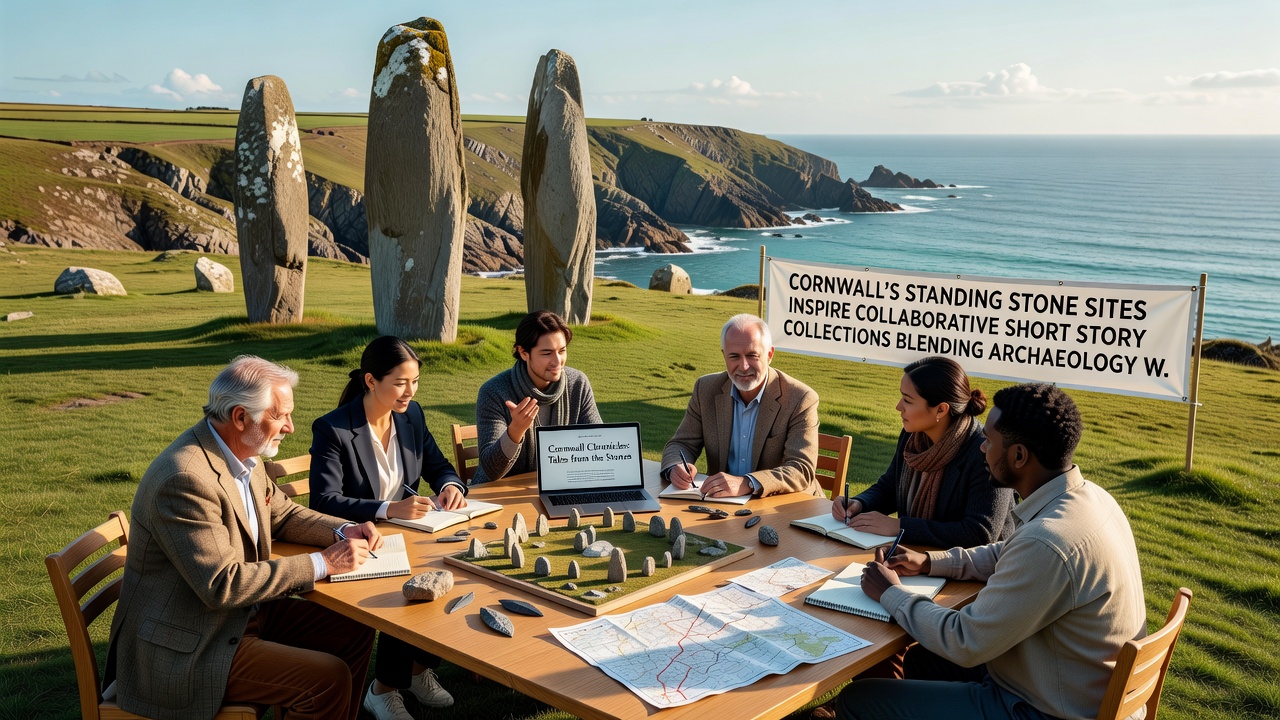
Additional layers emerge when contributors reference genetic studies that trace ancient population flows through Cornwall and neighboring regions, and these data sets allow stories to span multiple centuries without losing factual grounding. Participants have examined mitochondrial DNA profiles alongside artifact distributions, and the combined information supplies narrative scaffolding for tales of both long-distance voyages and localized seasonal circuits.
Documentation and Public Access
Project organizers maintain open-access repositories that archive both the archaeological datasets and the finished stories, and readers can cross-reference textual passages with site reports hosted by regional heritage bodies. Workshops held at monument locations encourage direct observation of stone orientations and surrounding terrain, while digital mapping tools let remote contributors align their work with precise coordinates. Figures released by participating universities indicate steady growth in submissions from writers outside Cornwall, and this geographic spread mirrors the outward migration themes explored in the collections themselves.
Conclusion
Standing stone sites in Cornwall continue to serve as focal points where empirical archaeological findings intersect with structured literary output, and the resulting short story collections document migration patterns through integrated fact and narrative. Events planned for October 2026 will mark the next stage in this ongoing exchange, with public readings and site visits that allow audiences to trace the same connections between landscape and movement that the writers have explored.