Freya Foster · 6 November 2026
Emigrant Correspondence from Cornwall Ignites Worldwide Digital Heritage Initiatives Connecting Families Across Continents
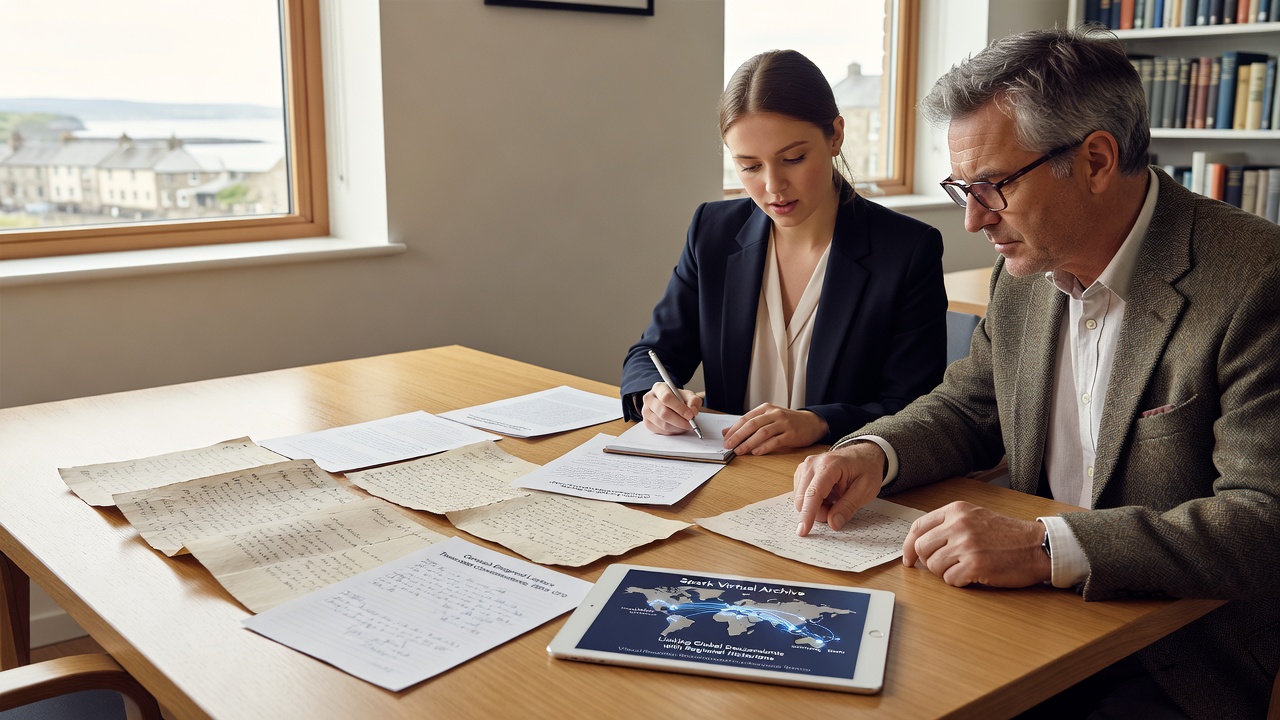
Letters penned by Cornish emigrants during the 19th and early 20th centuries have prompted the creation of several virtual archive projects that connect descendants scattered across Australia, North America, South Africa, and New Zealand with historians based in Cornwall, and these initiatives have accelerated in scope since regional institutions began digitizing fragile documents in the mid-2010s.
Origins of the Correspondence Collections
Many of the surviving letters originated from mining communities in areas such as Redruth and Camborne where families documented their departures aboard ships bound for overseas copper and tin operations, and archivists at the Royal Institution of Cornwall have catalogued more than 4,000 such items that detail wages, living conditions, and community networks formed after arrival in host countries. Researchers at the University of Exeter have cross-referenced these texts with shipping manifests and census records to establish migration timelines that span from the 1840s through the 1920s, revealing patterns of chain migration where earlier settlers facilitated the journeys of relatives and neighbors.
Digital transcription efforts gained momentum when volunteer groups in Cornwall partnered with genealogy platforms to convert handwritten pages into searchable text, and this work has allowed family historians in distant locations to locate mentions of specific individuals without traveling to physical repositories.
Virtual Platforms and Collaborative Features
One major platform launched in 2021 aggregates letters from multiple county collections and offers interactive maps that plot sender and recipient locations while overlaying economic data from the periods involved, and users can contribute contextual notes that historians then verify against primary sources. Another project hosted by a consortium of Australian state libraries integrates Cornish correspondence with records from the National Archives of Australia, enabling side-by-side comparisons of emigrant accounts with official immigration documents.
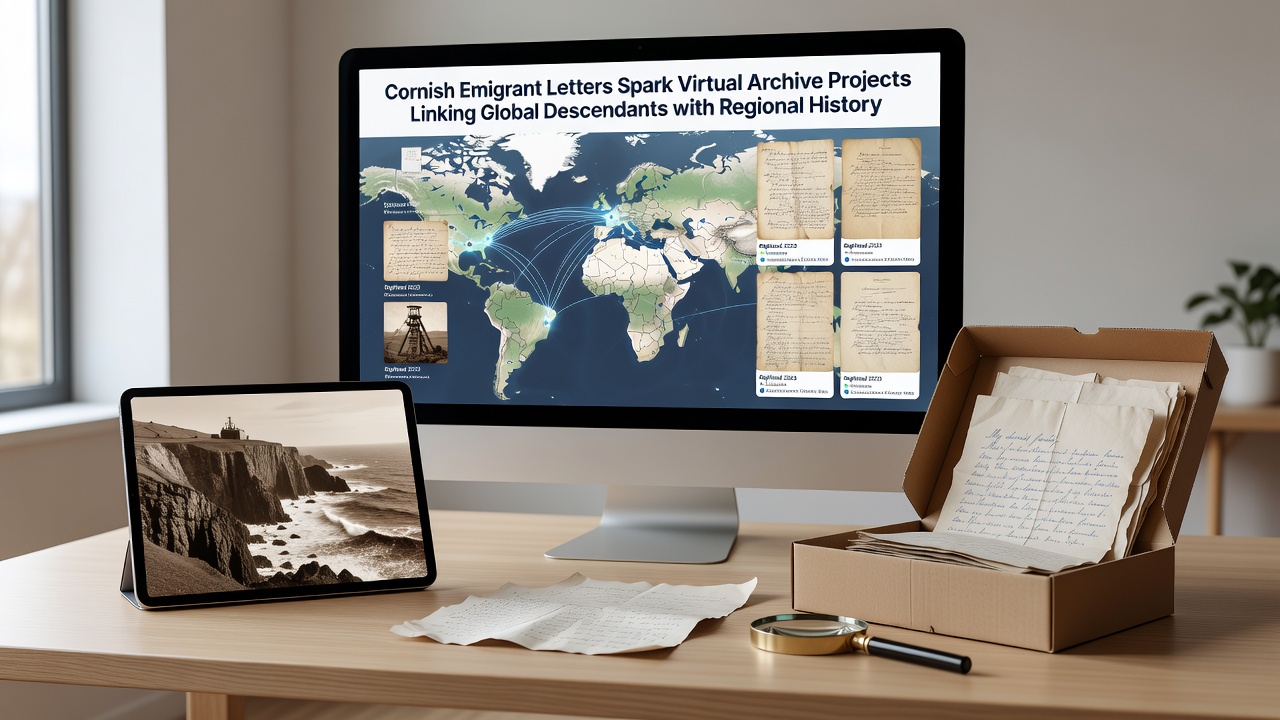
These platforms incorporate annotation tools that let descendants flag potential relatives or clarify dialect terms that appear in the originals, and regional historians review submissions before they become part of the permanent record. Data from the projects indicate that more than 12,000 users registered across the combined sites by early 2025, with peak activity occurring during annual heritage weeks organized by Cornish cultural societies.
November 2026 Symposium and Expanding Partnerships
In November 2026 a virtual symposium organized jointly by the University of Plymouth and the Cornish Studies Centre will convene participants from four continents to discuss metadata standards and ethical guidelines for sharing personal correspondence, and sessions will address how machine-learning tools can assist with handwriting recognition while preserving nuances of regional language. Representatives from the Library and Archives Canada have confirmed participation to explore linkages with records of Cornish arrivals in British Columbia mining districts during the same era.
Funding for these projects has come from heritage grants administered by the UK National Lottery Heritage Fund as well as matching contributions from diaspora associations in the United States and Australia, and project coordinators report that sustained volunteer involvement remains essential for quality control of transcriptions.
Impact on Regional Historical Research
Access to the digitized letters has allowed Cornish historians to revise earlier assumptions about the speed of cultural assimilation among emigrants, and quantitative analysis of vocabulary usage shows that certain dialect words persisted in correspondence for decades after departure. Observers note that the projects have also generated new research questions around gender roles in migration narratives, since a substantial portion of the preserved letters were written by women describing household management and child-rearing in unfamiliar environments.
Conclusion
The ongoing digitization and linking of Cornish emigrant letters continues to expand the reach of regional archives while providing descendants with direct pathways to primary sources, and the collaborative model established by these initiatives offers a template for similar efforts focused on other historic migration streams. As additional collections undergo scanning and transcription, the network of connected users and verified contributions is expected to grow, supporting further scholarship into the social and economic dimensions of Cornish overseas movement.