Avery Russell · 20 November 2026
Heritage Grants Drive Digitization of Falmouth's Early 20th-Century Periodicals
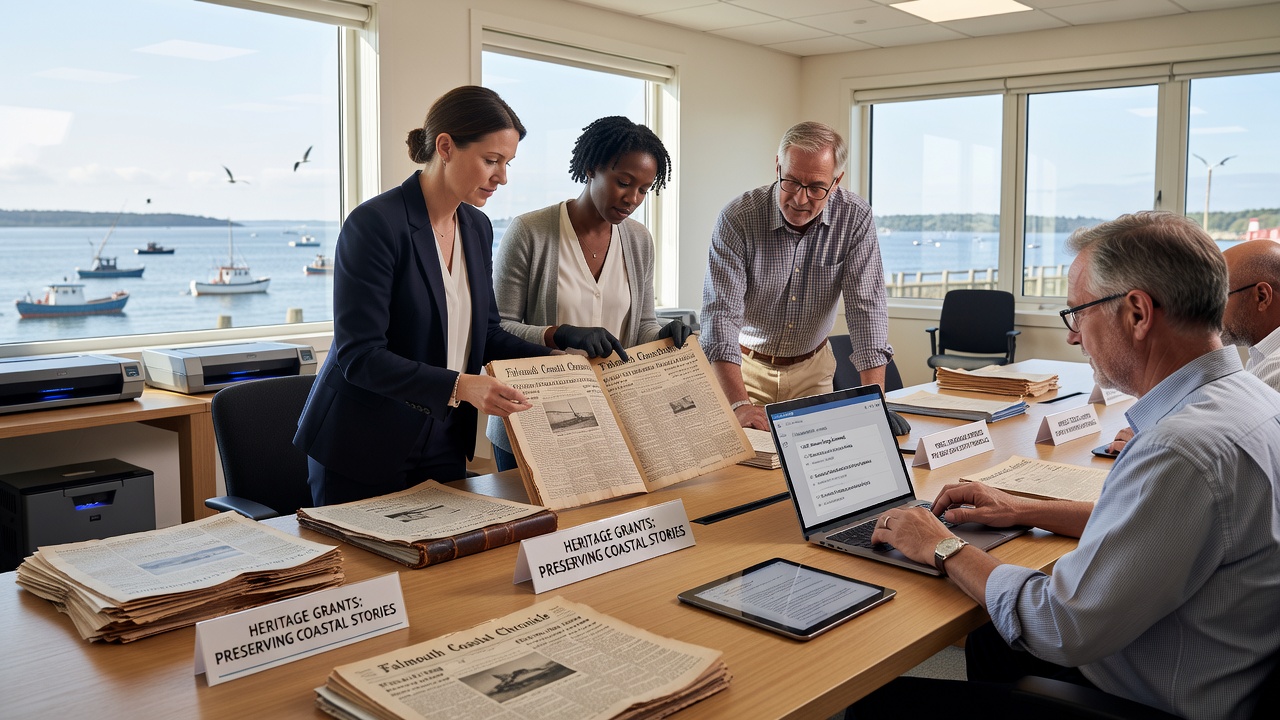
Heritage grants have supported Falmouth-based teams in their efforts to digitize early 20th-century regional periodicals, creating searchable databases that highlight coastal narratives from Cornwall and surrounding areas. These projects focus on converting physical copies of newspapers and magazines into digital formats where researchers and the public can access content through keyword searches and metadata tags. Teams at institutions in Falmouth have received funding that covers scanning equipment, software development, and staff training to handle fragile materials from the 1900s to the 1930s.
Funding Sources and Project Scope
Multiple heritage organizations have allocated resources to these initiatives, with grants covering the conversion of periodicals that document local fishing industries, maritime trade, and community events along the Cornish coast. Data from project reports indicate that over 50,000 pages have undergone digitization in the initial phases, allowing for cross-referencing of stories that mention shipwrecks, seasonal migrations, and harbor developments. The process involves optical character recognition technology to make text searchable while preserving original layouts and images that provide visual context for the narratives.
Teams coordinate with local archives to select periodicals that represent diverse voices, including accounts from working-class communities and women involved in coastal trades. Observers note that this approach surfaces details often missed in broader historical summaries, such as specific references to tidal patterns affecting daily life or reports on lighthouse constructions that influenced navigation safety. The resulting databases incorporate filters for dates, locations, and themes, enabling users to isolate entries related to particular events like storms in the 1920s or port expansions.
Technical Conversion and Database Features
Conversion workflows start with high-resolution scanning followed by metadata assignment that tags elements like place names, personal references, and subject categories tied to coastal themes. Software platforms developed under these grants allow for full-text searches across multiple issues, revealing patterns in language use and topic emphasis that shift with economic changes in the region. Researchers have observed how entries on smuggling incidents or seasonal tourism appear alongside updates on railway connections that altered trade routes.
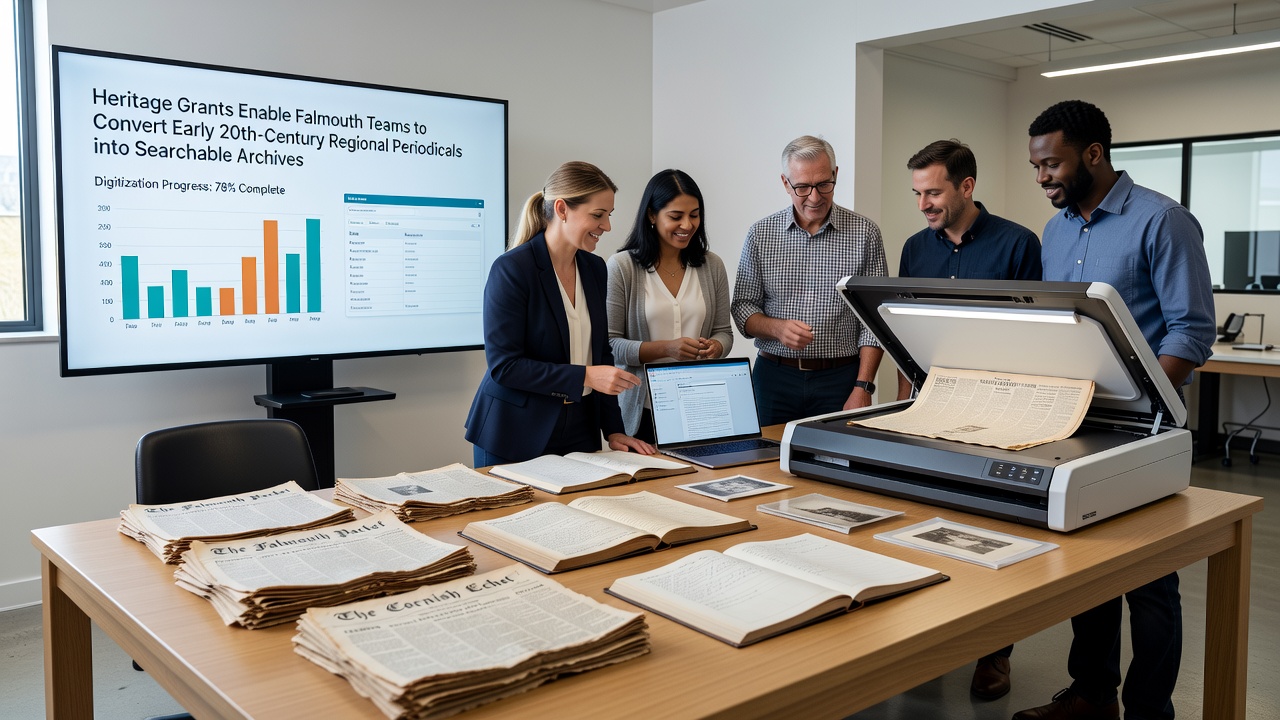
Database interfaces include options for exporting excerpts and generating timelines that map narrative occurrences to specific years. This setup supports academic studies examining how regional publications reflected broader shifts in maritime policy or environmental conditions. According to Library of Congress digitization guidelines, similar projects in other regions have demonstrated improved access to historical materials when standardized tagging protocols are applied consistently across collections.
Surfacing Overlooked Coastal Narratives
The databases bring forward accounts of lesser-known figures and events, such as local inventors who contributed to boat designs or community responses to changes in fishing regulations during the early 1900s. These narratives often connect to larger themes of migration and adaptation along the southwest England shoreline, with cross-links to related materials held in nearby repositories. Project documentation shows that users can now query terms like "harbor improvements" or "wreck reports" to retrieve clusters of articles that illustrate evolving community priorities.
Additional features allow for annotation by registered contributors who add contextual notes drawn from oral histories or complementary records. This collaborative layer expands the utility of the databases beyond initial scans and incorporates perspectives from descendants of those featured in the periodicals. Evidence from pilot testing indicates higher engagement rates when interfaces support both advanced searches and simple browsing paths through thematic collections.
Timeline adn November 2026 Milestones
Project schedules set key deliverables for November 2026, including the public release of an expanded search portal and integration with existing regional history platforms. Teams plan workshops during that period to train educators and local historians on using the tools for curriculum development and community exhibitions. Progress reports submitted to funding bodies detail completed phases of scanning and initial quality checks that ensure accuracy in text extraction from aged print sources.
Partnerships with universities in the southwest have facilitated student involvement in metadata verification, adding layers of review that catch inconsistencies in geographic references or spelling variations common in period publications. These efforts align with standards outlined in reports from National Endowment for the Arts on digital preservation practices that emphasize accessibility and accuracy.
Conclusion
The digitization efforts in Falmouth continue to expand access to primary sources that detail coastal life in the early 20th century. Searchable databases produced through heritage grants organize content in ways that support targeted research into maritime and community histories while preserving the original materials for future reference. Scheduled advancements through November 2026 will further refine these resources and encourage wider participation in exploring the documented narratives.